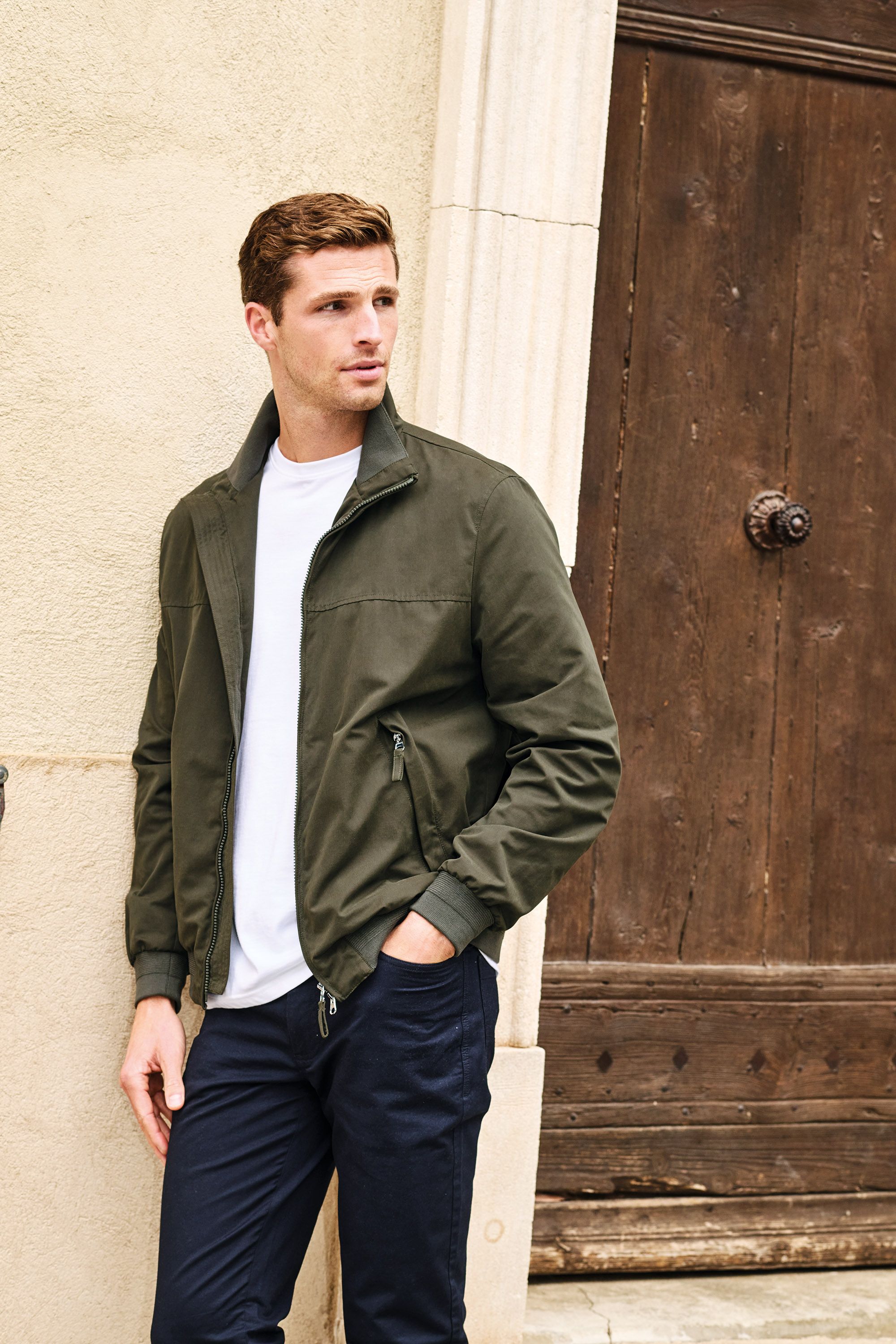
Spring means longer days, brighter greens and, quite often, a fair bit of spring rain. While the season brings a welcome shift from winter, those sudden downpours can catch you out if you're not prepared. Whether you're walking to work, nipping to the shop or heading out on a countryside stroll, staying dry makes all the difference to your day.
That’s where waterproofed outerwear comes in. When your coat or jacket is properly treated and maintained, it’s more than just something to hide under in damp weather. It keeps you comfortable, protects your layers underneath and holds its shape better over time. Spring showers don’t have to leave you dripping. With a bit of care, the right outerwear can handle the uncertainty of the season with ease.
Understanding Your Outerwear
Before you start waterproofing anything, it helps to understand what you're working with. Not all fabrics react the same way to water, and treating the wrong material the wrong way might end up doing more harm than good. If you've ever had a raincoat that seemed to stop working halfway through the season, there's a good chance it's down to wear, washing or applying the wrong treatment.
Here are some common outerwear fabrics and how they hold up against spring rain:
- Waxed cotton: A classic on country jackets and field coats. It naturally repels water thanks to a wax coating, but this needs to be reapplied every so often to stay useful.
- Nylon and polyester: Frequently used on lightweight rain jackets. These are often treated with a water-repellent finish out of the factory, but heavy use and regular washes wear this off over time.
- Wool blends: Found on smarter overcoats. Wool resists water to a degree, but it absorbs moisture if exposed to heavy or long-lasting rain. These coats need extra care to keep them dry yet breathable.
- Softshell or technical fabrics: You’ll see these on walking jackets or more performance-based outerwear. They often have a membrane or laminated layer designed to block water while letting heat escape. Still, even these coatings lose effectiveness with age or poor care.
If you're unsure what your coat is made from, check the care label inside. It’ll usually list the main fabric, any waterproofing methods used and how to maintain it. Some outerwear, like suede or untreated cotton, shouldn’t be waterproofed at all. Others might only need a light spray to keep them protected.
Understanding your coat's fabric is the first step in keeping it fit for spring. Once you’ve got that sorted, it’s easier to choose the right method to waterproof it and avoid any quick fixes that do more damage than good.
Effective Methods To Waterproof Your Outerwear
Once you’ve figured out what your coat or jacket is made from, it’s time to think about waterproofing options. There isn’t a one-size-fits-all approach. Some treatments work best on certain fabrics, while others give better coverage or longer-lasting results depending on wear and weather.
Here are the main treatments used to waterproof outerwear:
- Waterproofing sprays: These are sprayed directly onto the surface and are ideal for materials like nylon, polyester and wool. Some are designed to maintain breathability, so they work without making the fabric stiff.
- Wash-in treatments: These are added to your washing machine and suit coats with membranes or softshell jackets. They soak into the fibres and help restore water resistance after wear.
- Wax treatments: These are best for waxed cotton jackets. The wax is warmed up and applied evenly across the fabric. It takes some effort, but the result is solid protection that lasts.
Before applying any treatment, clean your outerwear using a cleaner suited to the material. Dirt and body oils can get in the way of waterproof coatings bonding properly and make any spray or wash less effective.
To apply a waterproofing spray:
1. Make sure the coat is clean and completely dry.
2. Lay it flat on a surface in a place with good airflow.
3. Spray evenly from about 15cm away, going over all areas. Pay extra attention to seams and shoulders.
4. Let it sit for a few minutes, then blot any excess with a clean cloth.
5. Hang it up to dry fully. Most sprays need a day to cure properly, so be patient.
More spray doesn’t mean better waterproofing. Too much can clog the fabric and reduce how breathable it is. Always read the instructions and avoid over-treating.
Maintenance Tips For Waterproof Outerwear
Waterproofing your outerwear is only the first step. Looking after it properly can make all the difference to how long it lasts and how well it does its job. Even the best materials need the right care.
Here are some ways to keep waterproofed outerwear in its best condition:
- Clean with care: Stick to gentle cleaners made for outdoor fabrics. Harsh detergents can strip off waterproof coatings over time.
- Dry properly: Never throw a waterproof coat on a radiator or in a tumble dryer unless the label says it’s allowed. Let it air dry instead, or use low heat only if advised.
- Reproof when needed: After several washes or lots of wear, most waterproof layers start to fade. Reapply every few months if it’s in regular rotation, or once a season for occasional use.
- Store it smart: Keep your coat away from direct sunlight and damp corners. Long exposure to heat or moisture can damage it. A dry, airy wardrobe with a good hanger works best.
A simple way to check if your coat needs attention is to see how water reacts after a heavy shower. If drops are soaking in instead of sliding off, it’s time to refresh the waterproofing.
Signs It’s Time To Reapply Waterproofing
You don’t need to wait for a soaking to know your coat is due for a top-up. There are a few tell-tale signs that the waterproof layer isn’t doing its job anymore.
Watch out for these:
- Water sinking into the surface instead of forming beads
- Damp or cold patches, especially around the shoulders or seams
- A musty smell developing, often from moisture being trapped too long
- The outer fabric feeling heavier, stiffer or different than usual
Spotting these early means you can act before the damage sets in. Give the coat a gentle clean and then reapply your chosen waterproofing method. Don’t wait until you’re caught in a storm to do it.
As a rule of thumb, it's smart to treat outerwear at least twice during the spring and autumn seasons, especially in the UK where showers can come and go without warning. If you wear your coat every day or spend a lot of time outdoors, doing a quick check once a month can save you from surprise soakings.
Stay Dry and Stylish with Brook Taverner
Waterproofing your outerwear isn’t about spending hours or replacing everything in your wardrobe. It’s about small habits that keep you ready for spring showers and make sure your coat keeps looking sharp.
Whether you rely on a smart wool overcoat for your commute or a field jacket for hillside walks, preparing them for rain adds comfort and reliability to your routine. Damp mornings won’t bother you as much when your outer layer is up to the task.
Having the right prep means you’re not just warding off the wet, but doing it while still looking pulled together. A coat that’s well cared for says a lot, even in the drizzle. Make the effort now and you’ll thank yourself when those surprise showers roll in.
Make the most of rainy days by ensuring you're fully prepared with stylish and practical choices. Explore Brook Taverner's latest collection of outerwear that's designed to keep you dry and looking sharp. Whether you're after something casual or a bit more polished, our range has something that suits every need. Discover the blend of functionality and fashion today.